




In today’s hyper-competitive online marketplace, comparative advertising in the digital age has emerged as a powerful way for brands to stand out, spark conversations, and influence buying decisions. With social media platforms shaping consumer opinions in real time, businesses no longer rely solely on highlighting their own features—they now strategically compare themselves with competitors to prove value, build credibility, and win attention.
From Instagram reels to YouTube ads and Facebook campaigns, comparative advertising has evolved far beyond traditional TV commercials. But while the opportunities are massive, so are the risks. A poorly executed comparison can damage brand reputation, invite legal trouble, or alienate audiences.
This blog explores what comparative advertising means in the digital era, why it works on social media, and the strategies brands can use to succeed—ethically, legally, and creatively.
What Is Comparative Advertising?

Comparative advertising is a marketing strategy where a brand compares its products or services directly or indirectly with competitors. These comparisons may focus on price, quality, features, performance, or customer satisfaction.
Types of Comparative Advertising
Direct Comparative Advertising
Explicitly names or shows competitors (e.g., Brand A vs Brand B).
Indirect Comparative Advertising
Uses phrases like “leading brands” or “other products” without naming competitors.
Positive Comparative Advertising
Focuses on strengths without attacking competitors.
Negative Comparative Advertising
Highlights competitor weaknesses—often risky and controversial.
In the digital age, social media has made these comparisons more interactive, visual, and shareable.
Why Comparative Advertising Works in the Digital Age
1. Consumers Are More Informed Than Ever
Modern consumers research extensively before making a purchase. Social media, reviews, and comparison videos have made people comfortable evaluating multiple options. Comparative advertising aligns perfectly with this mindset.
2. Short Attention Spans Demand Clear Differentiation
On platforms like Instagram and TikTok, brands have seconds to communicate value. Comparing your product to alternatives instantly clarifies why it’s better or different.
3. Social Proof Amplifies Impact
When users engage, comment, or share comparative ads, they add credibility. A well-executed comparison can go viral and significantly boost brand awareness.
The Role of Social Media in Comparative Advertising
Social media platforms have transformed comparative advertising from one-way communication into a dialogue.

Platform-Specific Opportunities
Facebook & Instagram
Ideal for visual comparisons, carousel ads, testimonials, and before–after formats.
YouTube
Perfect for in-depth comparison videos, product demos, and influencer reviews.
X (Twitter)
Works well for witty, real-time brand comparisons and trend-based marketing.
Best suited for B2B comparative advertising, focusing on performance metrics and ROI.
Each platform requires a tailored approach to maintain authenticity and relevance.
Key Strategies for Success in Comparative Advertising on Social Media
1. Focus on Value, Not Attacks
Successful comparative advertising in the digital age highlights why your brand is better, not why competitors are bad. Audiences appreciate confidence, not negativity.
Example:
Instead of saying “Our competitor’s product is unreliable,” say “Our product offers 99.9% uptime, trusted by 10,000+ businesses.”
2. Use Data and Facts
Social media users are quick to fact-check. Back your claims with:
- Verified statistics
- Customer testimonials
- Third-party certifications
- Real performance metrics
This builds trust and minimizes backlash.
3. Keep It Simple and Visual
Comparative ads perform best when they are:
- Easy to understand
- Visually engaging
- Scannable within seconds
Use charts, split screens, icons, and short captions to communicate comparisons effectively.
4. Leverage Influencers for Neutral Comparisons
Influencers can act as trusted third parties. When they compare products honestly, audiences perceive the message as authentic rather than promotional.
This strategy is especially effective in:
- Beauty
- Tech
- Fitness
- Consumer electronics
5. Understand Legal and Ethical Boundaries
Comparative advertising is legal in many countries, but misleading or false claims can lead to penalties.
Best practices include:
- Avoid false or exaggerated statements
- Do not use competitor trademarks unfairly
- Ensure comparisons are factual and up to date
Ethical advertising protects long-term brand reputation.
Emotional Intelligence in Comparative Advertising
In the digital age, consumers don’t just buy products—they buy values.
Emotional Triggers That Work:
- Trust and reliability
- Transparency
- Empowerment
- Community belonging
A humanized tone that respects consumer intelligence often performs better than aggressive comparisons.
Examples of Successful Comparative Advertising on Social Media
Apple vs. PC

Apple often compares performance and usability without directly naming competitors, keeping the tone sleek and confident.
Pepsi vs. Coca-Cola
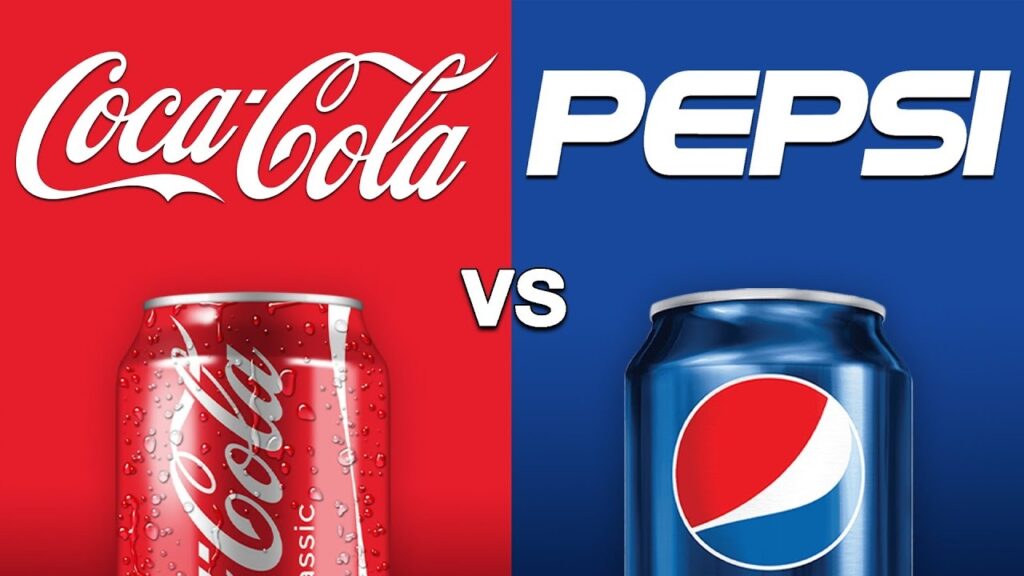
Pepsi has historically used bold and humorous comparative campaigns that resonate with younger audiences on social media.
SaaS Brands
Many SaaS companies use comparison landing pages and social ads to show feature-by-feature advantages over competitors.
These examples prove that creativity and clarity are more effective than confrontation.
Common Mistakes to Avoid
- Over-promising results
- Copying competitor messaging
- Using outdated comparison data
- Ignoring audience sentiment
- Being overly aggressive
Avoiding these mistakes helps maintain credibility and brand trust.
Measuring Success of Comparative Advertising Campaigns
Track performance using:
- Click-through rate (CTR)
- Engagement rate
- Conversion rate
- Brand sentiment analysis
- Share of voice on social media
These metrics help refine future strategies.
The Future of Comparative Advertising in the Digital Age
As AI, personalization, and data analytics evolve, comparative advertising will become:
- More personalized
- More interactive
- More transparent
Brands that prioritize authenticity and consumer value will thrive.
Conclusion
Comparative advertising in the digital age is no longer about proving competitors wrong—it’s about proving your value right. Social media marketing has amplified both the rewards and risks, making strategy, creativity, and ethics more important than ever.
When done thoughtfully, comparative advertising can educate consumers, build trust, and drive conversions without harming brand image. By focusing on facts, value, and human connection, brands can turn comparisons into meaningful conversations—and long-term success.