
META advertising is entering a decisive phase. What once worked with basic targeting, simple creatives, and predictable results is no longer enough. In 2026, brands advertising on META platforms are competing in an environment shaped by artificial intelligence, evolving privacy standards, creator-driven content, and shrinking attention spans.
META advertising is no longer just about Facebook or Instagram ads. It has become a sophisticated growth engine where creativity, data, and strategic decision-making intersect. Brands that understand this shift are scaling efficiently. Those that don’t are watching their performance plateau.
This blog explores how META advertising is changing in 2026, what brands must adapt to, and how global companies are already setting the standard.
The META Advertising Ecosystem in 2026
META remains one of the most powerful digital advertising platforms in the world, with billions of active users across Facebook, Instagram, Reels, Messenger, and immersive digital environments. However, the advantage in 2026 is no longer reach alone it is relevance at scale.
META’s algorithms are now heavily driven by AI and predictive behavior models. Instead of advertisers manually controlling every parameter, META prioritizes campaigns that feed the system strong signals: high-quality creatives, meaningful engagement, and consistent conversion data.
For brands, this means:
- Less manual targeting control
- Greater reliance on algorithm learning
- Higher importance of creative performance
Advertising success in 2026 depends on understanding how META’s system thinks, not trying to override it.
Privacy, AI, and the New Reality of Targeting for META Advertising in 2026
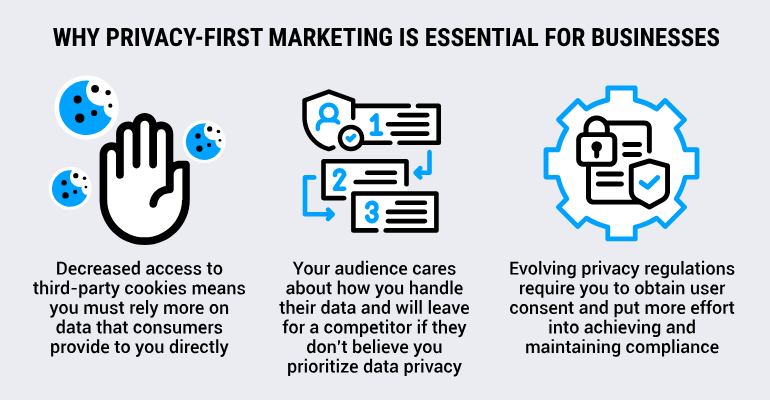
Privacy regulations and reduced data visibility have fundamentally changed how brands approach targeting. META advertising in 2026 relies less on granular audience filters and more on machine learning to identify intent and behavior patterns.
Broad targeting combined with strong creatives now outperforms overly narrow audience definitions. Brands that invest in first-party data and conversion tracking infrastructure perform significantly better than those relying on outdated third-party methods.
This shift has made META advertising more creative-driven and less mechanical rewarding brands that focus on storytelling rather than surveillance-based targeting.
Creative Has Become the Primary Performance Driver
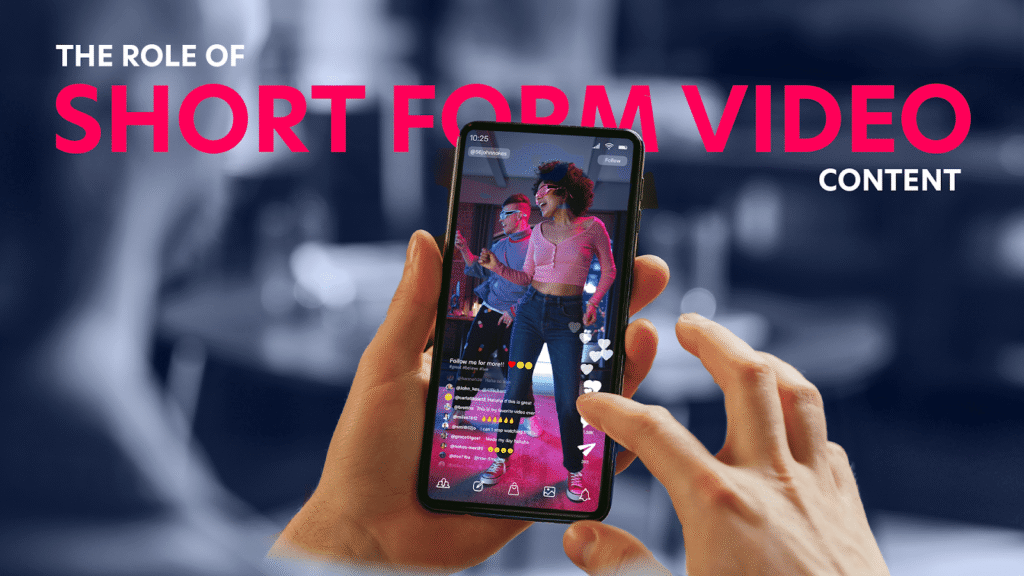
In 2026, creative is the new targeting.
META’s algorithm evaluates ads based on how users interact with them watch time, engagement, saves, shares, and overall behavior. Ads that feel native to the platform receive better delivery and lower costs.
High-performing META ads today:
- Look like organic content
- Use short-form video formats
- Feel human and conversational
- Prioritize storytelling over promotion
This is why brands that treat META ads as content not advertisements consistently outperform competitors.
International Case Study: Nike
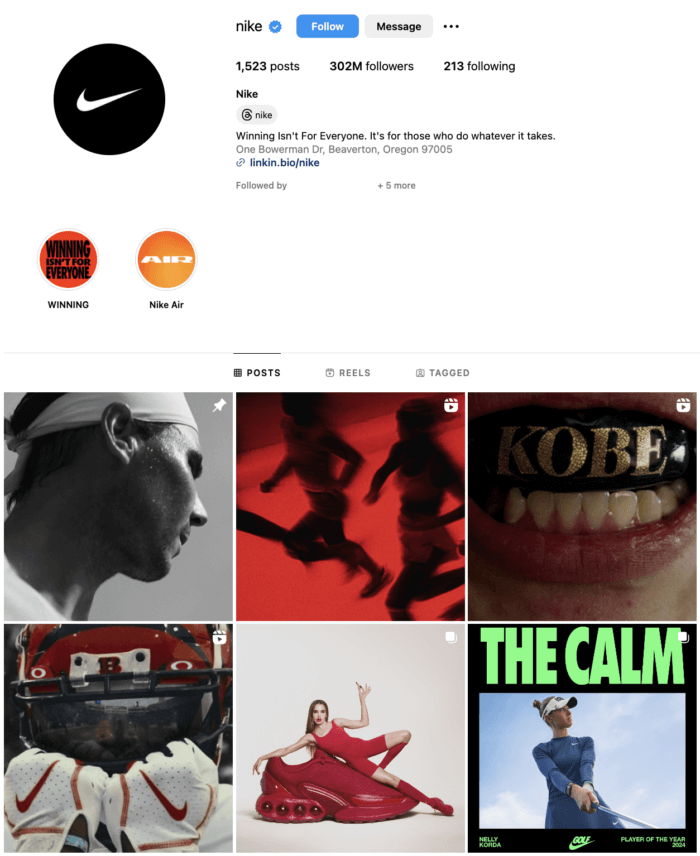
Nike continues to be one of the strongest examples of META advertising done right.
Rather than pushing products aggressively, Nike uses META platforms to tell emotionally driven stories centered around athletes, movement, and identity. Their campaigns are heavily video-led and optimized for mobile consumption.
Nike’s META ads:
- Blend seamlessly into Instagram and Facebook feeds
- Focus on inspiration before conversion
- Use creators and athletes as storytellers
This strategy allows Nike to build long-term brand affinity while still driving measurable business outcomes. In 2026, Nike’s approach reflects the future of META advertising earning attention instead of buying it.
The Rise of Creator-Style Advertising
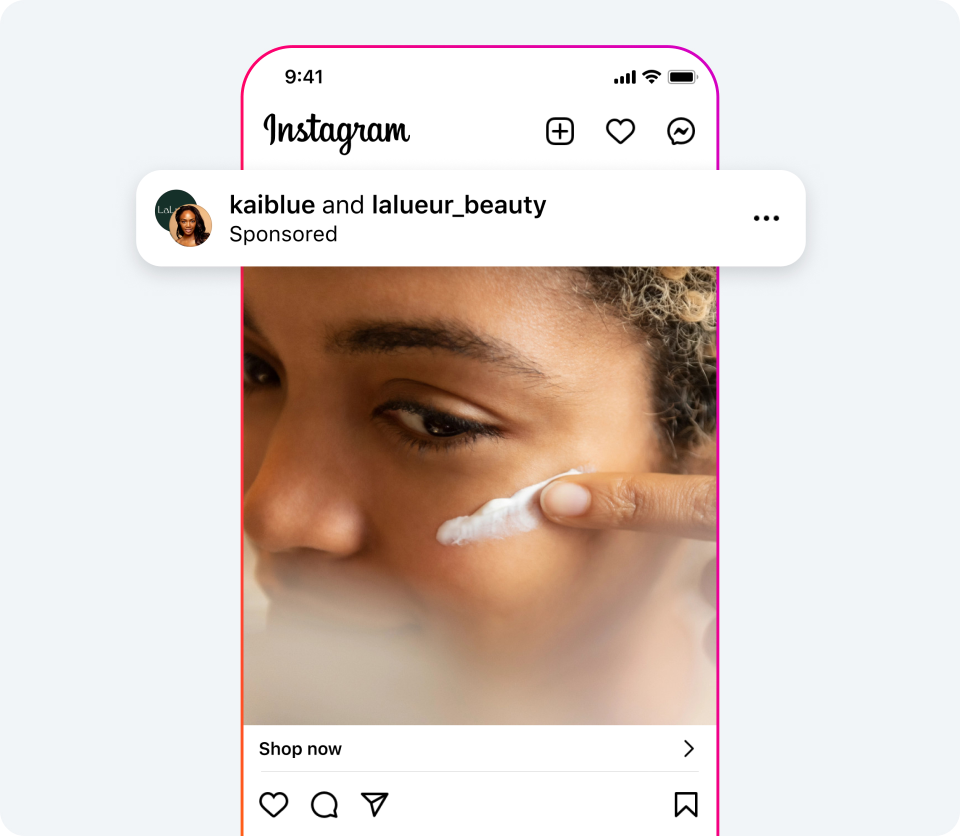
Influencer marketing and paid advertising have merged into a single ecosystem. In 2026, some of the best-performing META ads look like influencer content even when they are brand-owned.
Creator-style ads:
- Are shot on mobile
- Use natural language and pacing
- Avoid over-branding
- Prioritize authenticity
META’s algorithm favors these formats because users engage with them more naturally. This is not a trend it is the new standard.
International Case Study: Airbnb
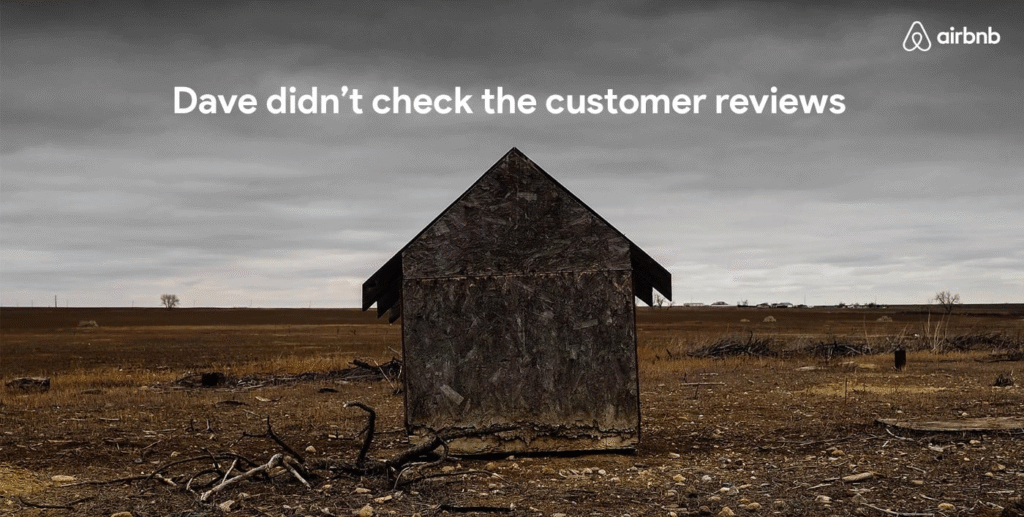
Airbnb offers a powerful example of how META advertising can drive brand relevance beyond immediate sales.
Airbnb’s META campaigns focus on:
- Real hosts and travelers
- Emotional storytelling
- Experience-led visuals
Instead of optimizing solely for bookings, Airbnb prioritizes engagement and brand perception. This approach strengthens demand over time and improves performance across the entire funnel.
In 2026, Airbnb’s strategy shows that META advertising is not just a conversion tool it is a brand-building platform.
Automation Is Growing — Expertise Is Still Essential

META’s advertising tools are increasingly automated. Features like automated placements, AI-powered optimization, and performance-based budget distribution are now default.
However, automation does not replace strategy.
Brands that rely blindly on automation often:
- Lose creative direction
- Misinterpret performance signals
- Scale inefficiently
The most successful brands use automation as a tool guided by expert oversight. In 2026, human judgment and strategic thinking are more valuable than ever.
International Case Study: Coca-Cola
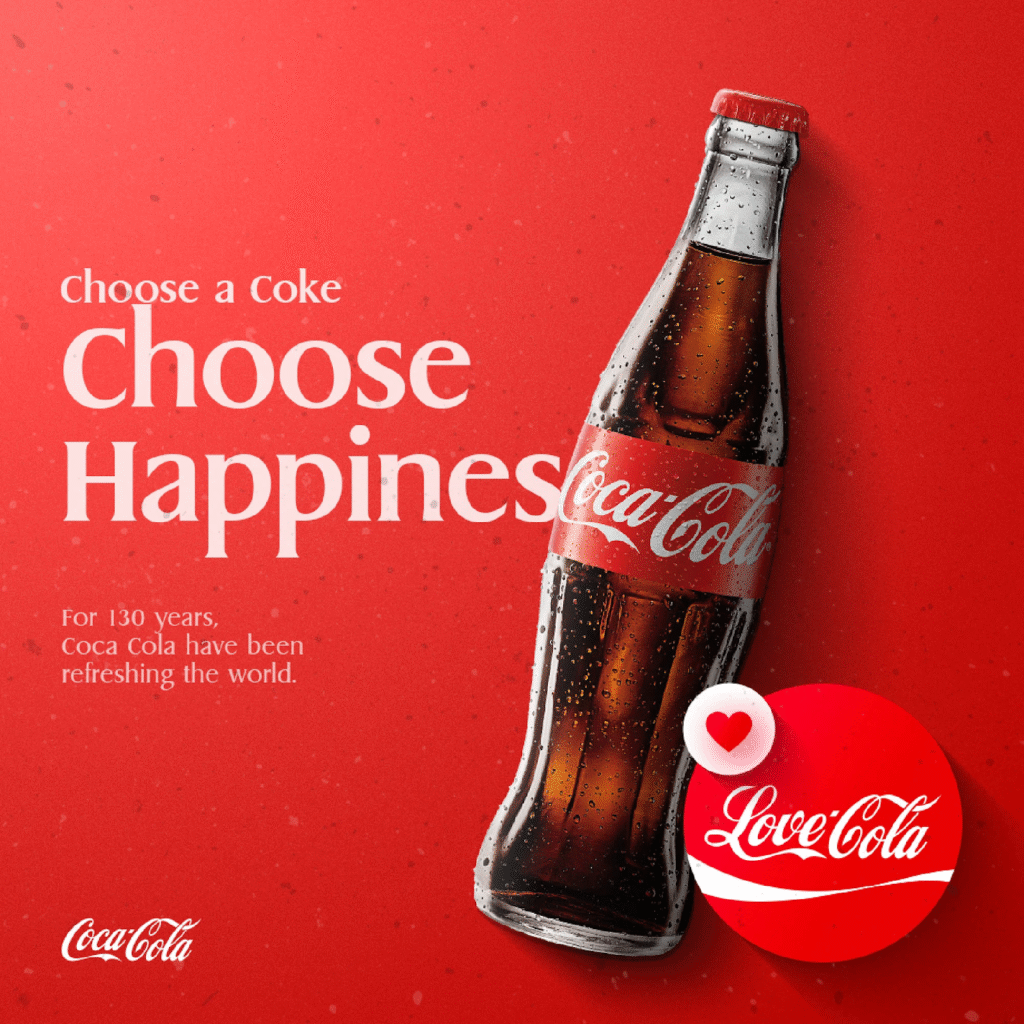
Coca-Cola has mastered the balance between automation and creativity on META platforms.
Their META advertising strategy emphasizes:
- Emotion-led storytelling
- Cultural relevance
- Consistent brand identity across markets
Coca-Cola uses META ads to reinforce brand presence rather than chase short-term conversions. By focusing on emotional connection, they maintain strong engagement and recall globally.
This approach highlights an important truth: brands that last don’t just sell they connect.
Why In-House META Advertising Often Plateaus
Many brands manage META advertising internally. While this can work at smaller scales, growth often stagnates as competition increases.
Common reasons include:
- Limited creative testing bandwidth
- Difficulty keeping up with platform changes
- Over-reliance on historical data
- Risk-averse decision-making
META advertising in 2026 requires continuous experimentation, creative refresh cycles, and strategic recalibration something in-house teams struggle to sustain long-term.
International Case Study: Amazon
Amazon uses META advertising as a performance amplifier rather than a standalone sales channel.
Their META campaigns are:
- Highly data-informed
- Funnel-based
- Continuously optimized
Amazon leverages META ads to drive product discovery, retarget high-intent users, and reinforce brand dominance. Their success comes from treating META advertising as part of a larger ecosystem not an isolated tactic.
What Brands Must Prioritize in 2026
To succeed with META advertising in 2026, brands must focus on:
- Creative quality over quantity
- Broad targeting paired with strong storytelling
- First-party data infrastructure
- Long-term brand equity, not just short-term ROAS
META advertising rewards brands that think strategically, not tactically.
Final Thoughts: META Advertising Is Maturing ,Brands Must Too
META advertising in 2026 is powerful, intelligent, and competitive. It is no longer forgiving to brands that rely on outdated tactics or superficial optimization.
Global leaders like Nike, Airbnb, Coca-Cola, and Amazon show that success on META platforms comes from understanding the system, respecting the audience, and investing in creativity.
In a crowded digital world, META advertising success belongs to brands that adapt, evolve, and lead — not those that simply follow trends.