
Introduction
The evolution of social media advertising has transformed how businesses communicate with their audiences. What began with simple banners and promotional posts has grown into a powerful ecosystem driven by creativity, technology, and personalization. Social media platforms are no longer just spaces for connection—they are essential marketing channels that influence purchasing decisions, brand loyalty, and consumer behavior.
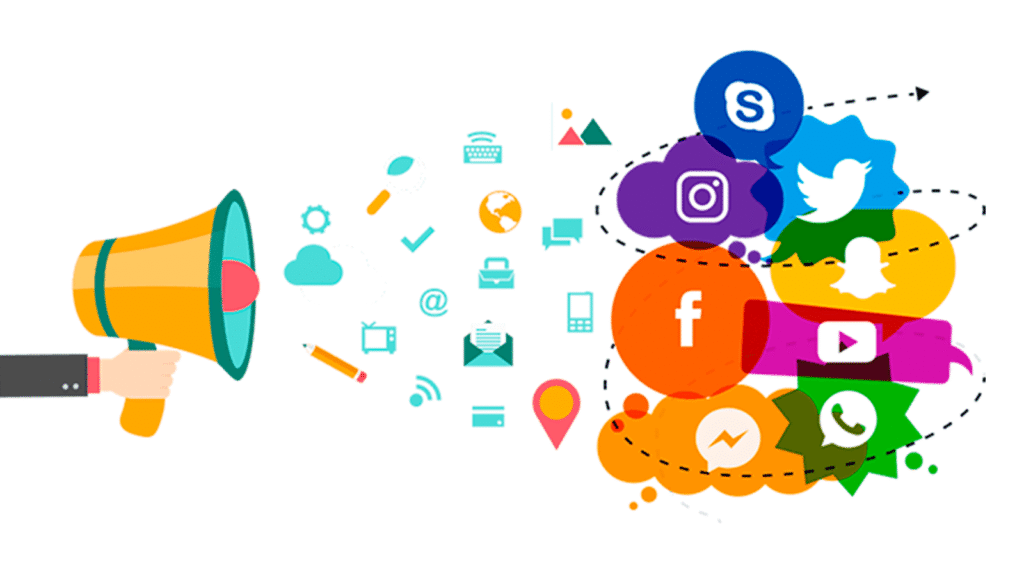
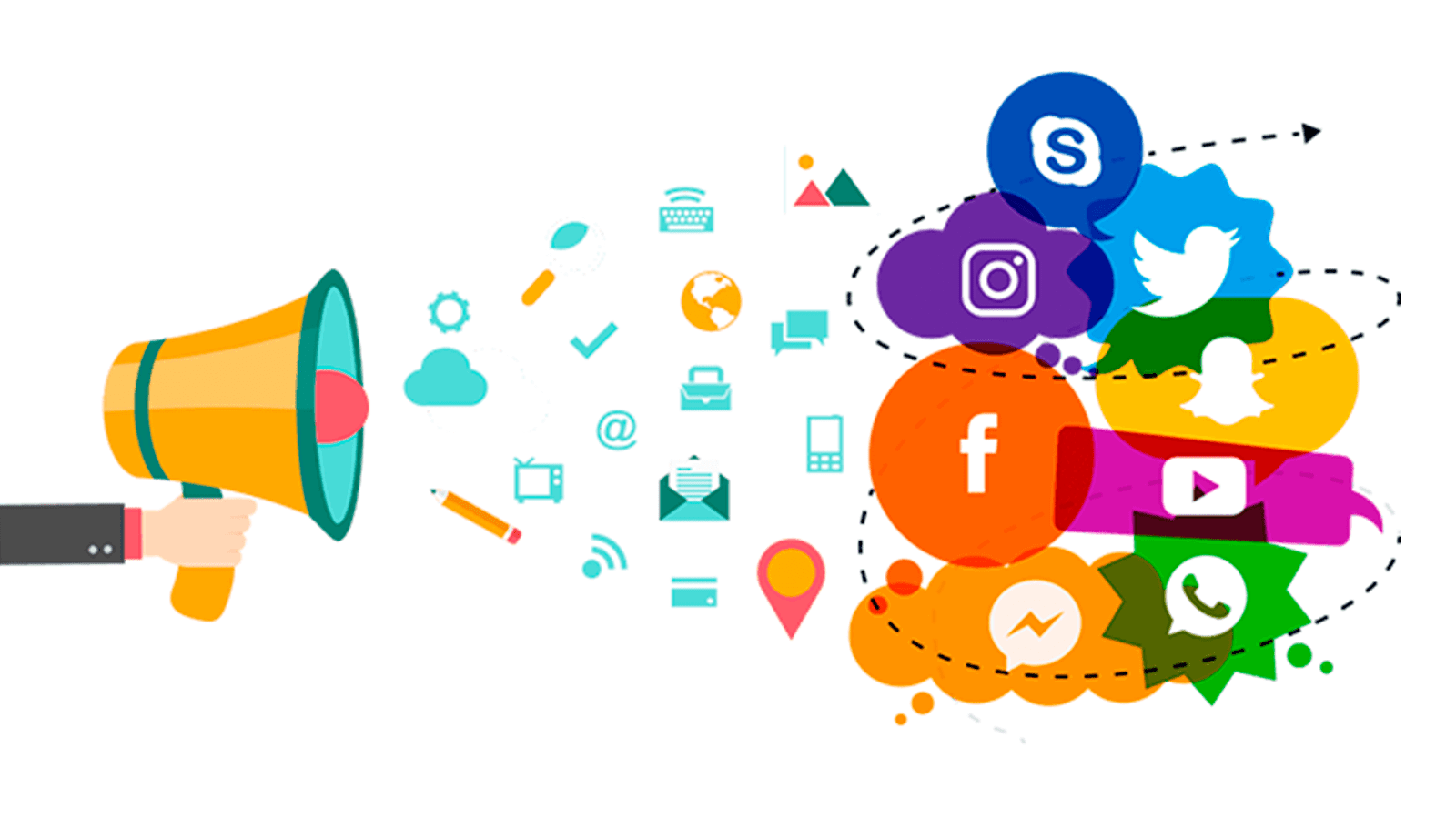
Billions of people are actively using platforms like Facebook, Instagram, LinkedIn, TikTok and X (formerly Twitter), making social media advertising one of the most cost-effective ways to engage your audience through digital marketing. In this fast-moving era of technology as things advance, businesses need to stay updated with changing trends, tools and consumer expectations in order to keep up with the competition.
This blog charts the evolution of social media advertising, identifies current trends, and provides predictions on what’s next.
1. The Beginning of Social Media Advertising
In the early 2000s, social media companies sold themselves as tools for staying in contact with friends and family, rather than mechanisms of trade. Choices of advertising were limited and invasive.
Key Characteristics of Early Advertising
- Static banner ads
- Minimal targeting options
- Low engagement rates
- Think of the brand and forget about conversions
Platforms like Facebook began by offering rudimentary ad placements, allowing businesses to pay to promote posts to a broad audience. This early stage of the evolution of social media advertising was largely impersonal, with success measured more by impressions than meaningful engagement.
As crude as it was, this phase established some basics for what would emerge as a truly sophisticated advertising system.
2. The Rise of Targeted Advertising

When platforms started harvesting user data like age, location, interests and online behavior, success in social advertising reached a new level.
Why Targeted Advertising Changed Everything
- Advertising became more relevant to the user
- Businesses could reach niche audiences
- Higher engagement and conversion rates
- Higher return on ad spend (ROAS)
Facebook and Instagram had both just unveiled sophisticated targeting tools that enabled ads to be shown based on demographics, interests and behavior. It was a milestone in the evolution of digital advertising, which would see the evolution of social media advertisement eclipse traditional ads for effectiveness.
3. Content Takes Center Stage
As competition on social channels grew, good content became the driving force for brands.
- Shift from Promotion to Storytelling
- Brands focused on value-driven content
- Emotional storytelling improved engagement
- Native ads integrated seamlessly among the feeds
Users didn’t want to be bitch slapped by pushy sales messages anymore. Instead, they responded to informative, engaging and relevant stories. This change pushed brands to consider content marketing strategies under their paid social media campaigns.
4. The Growth of Video Advertising
Video contents disrupted social media advertising by arresting the eyeballs quicker and smashing the messages better.

- Why Video Ads Dominate
- Higher engagement than static ads
- Better storytelling capabilities
- Increased mobile consumption
The demand for short-form and long-form video ads was driven in large part by platforms like YouTube, Instagram Reels, TikTok and Facebook Watch. With live streaming and interactive video, the two parties are able to get even closer in moments of their interaction
5. Influencer Marketing Becomes Mainstream
Influencer marketing is one of the biggest disruptors of social media advertising.
Why Influencers Work
- Authentic and relatable content
- More Trust Than Conventional Ads
- Strong niche audience connections
Micro-influencers and nano influencers became ubiquitous on the back of high engagement rates and close-knit fanbases. Brands began working with creators whose values aligned more closely with those of the brand, and not just on the basis of follower numbers.
6. AI and Automation for Social Media Ads
Artificial Intelligence (AI) has dramatically changed the way ads are made, optimized, and served.
Role of AI in Advertising
- Automated ad targeting and bidding
- Predictive analytics for performance
- Personalized ad creatives
- Chatbots for customer interaction
Artificial intelligence-driven tools in turn help marketers make sense of overwhelming volumes of data by analyzing it all instantaneously, and getting their ads in front of audiences just when they need them. This increased efficiency and minimized the manual effort.
7. Shopping Mixed with Social Media: There’s a New Term for That
Social media platforms are quickly turning into wholesale shopping sites.
Key Features of Social Commerce
- In-app product catalogs
- Shoppable posts and stories
- Live shopping events
- Seamless checkout experiences
Instagram Shops, Facebook Marketplace and TikTok Shop let people find and pay for products while they are still in the app. This contributes to shortening the customer journey and encourages impulse purchases.
8. Privacy Changes and Ethical Advertising
Stronger regulations Now, following stumbling blocks with privacy issues, platforms have put in place tighter rules.
Impact of Privacy Policies
- Limited third-party tracking
- Greater focus on first-party data
- Transparent ad practices
Changes — like cookie restrictions and privacy laws — have prompted marketers to retool targeting strategies. Sustainable marketing on social media requires ethical advertising and the consent of your audience.

9. Key Trends Shaping the Present
Below are the top social media advertising trends today:
a) Personalization at Scale
Consumers expect personalized experiences. Brands harness artificial intelligence (AI) and data experience to customize ads according to individual preferences.
b) Short-Form Content Dominance
Platforms are geared toward short, engaging videos that capture interest quickly.
c) Community-Driven Marketing
Brands concentrate on creating a communities via groups, comments and interactive content.
d) Performance-Based Advertising
Success of the campaign is usually gauged by conversion, engagement, and customer lifetime value instead of those vanity metrics.
Social Media Advertising Predictions for the Future
The direction of social media marketing lies in innovation, user trends and technology.
- Rising AI and Machine Learning Adoption
AI will be generating ads, running campaigns and predicting trends with little human intervention.
- Rise of A/R Ads
Customers will even be able to try before they buy thanks to AR, meaning less products are sent back.
- Voice and Conversational Advertising
Voice assistants and chat-based ads will proliferate.
- Creator-Led Advertising
Content creators will see more work from brands than the traditional agency.
- Stronger Focus on Authenticity
Consumers will gravitate towards brands that are transparent, value-driven and less polished in advertising.
Challenges Brands Must Prepare For
Despite its expansion, there are challenges in social media advertising:
- Ad fatigue among users
- Rising advertising costs
- Platform algorithm changes
- Increasing competition
Brands that can move fast and invest in creativity, data analysis, responsible practice and ethical service for the long-term success will perform well in the future.
Conclusion
The development of marketing on social media mirrors the convergence of technology, inspiration and consumer choice in an online world. From basic banner ads to sophisticated AI-driven, personalized experiences, social media advertising has evolved – and it’s not finished evolving quite yet.
While new trends continue to emerge and the platforms themselves continue to update their capabilities, companies must as well keep up-to-date on these trends, adopt new technologies and put effort into authentic interaction. The future is bright for those brands which are value-, transparency- and connection-centered.
Social media advertising is no longer exclusively about selling, it’s also about storytelling, community building and creating connections that deeply impact the human experience.