


Why creators, brands, and audiences are reshaping marketing
as we know The Future of Influencer marketing has quietly transformed from a social media marketing experiment into one of the most powerful forces in modern marketing . What once looked like casual Instagram shoutouts is now a structured, data-driven, trust-based industry that brands cannot afford to ignore.
In 2025, influencer marketing is no longer about who has the most followers. It’s about who holds attention, who builds trust, and who can genuinely influence decisions. As audiences grow smarter and more selective, brands are rethinking how they collaborate with creators and influencers themselves are evolving into entrepreneurs, storytellers, and business partners.
Why Influencer Marketing Still Works in 2025
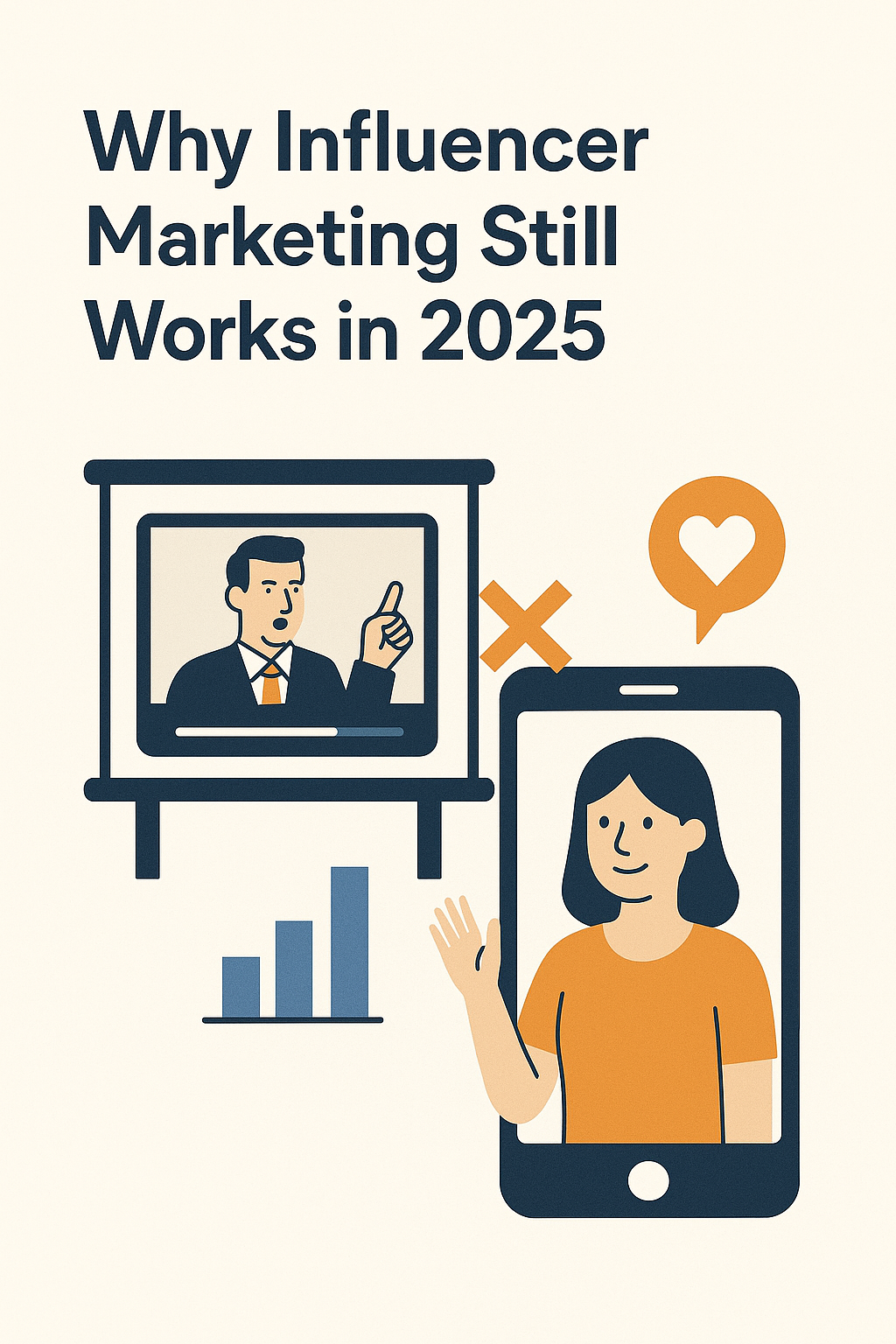
Traditional advertising is losing its grip. Consumers skip ads, block pop-ups, and scroll past sponsored banners without a second thought. What they don’t skip, however, is content from people they trust.
According to industry research, around 89% of consumers say they trust influencer recommendations more than traditional advertisements marketing. This trust comes from consistency and relatability. Influencers show up every day in their audience’s lives sharing routines, struggles, opinions, and real experiences.
When an influencer talks about a product, it feels like advice from someone familiar rather than a sales pitch. That emotional connection is something billboards, TV ads, and banner ads simply cannot replicate.
How Influencer Marketing Is Different From Other Forms of Marketing
The biggest difference lies in communication. Traditional marketing is one-way ,brands talk, consumers listen (or don’t). Influencer marketing is conversational. Audiences comment, ask questions, and even challenge opinions.
Another major difference is targeting. Influencer marketing doesn’t target just age or location; it targets lifestyles and identities. A fitness influencer doesn’t just reach people aged 18–35 ,they reach people who actively care about health. A beauty influencer reaches skincare lovers, not just “women.”
This precision makes influencer marketing far more effective and personal.
Key Influencer Marketing Trends Defining 2025

PR Collaborations Are Becoming Long-Term Relationships
In 2025, PR collaborations are no longer random gifting exercises. Brands are shifting toward long-term partnerships where influencers are treated as collaborators, not just promoters.
For example, Nykaa regularly works with beauty creators over months instead of single posts, allowing influencers to test products genuinely and share honest feedback. This approach builds credibility and stronger audience trust.
Brands now care more about saves, shares, and comments than just likes or reach.
Micro and Nano Influencers Are Outperforming Celebrities
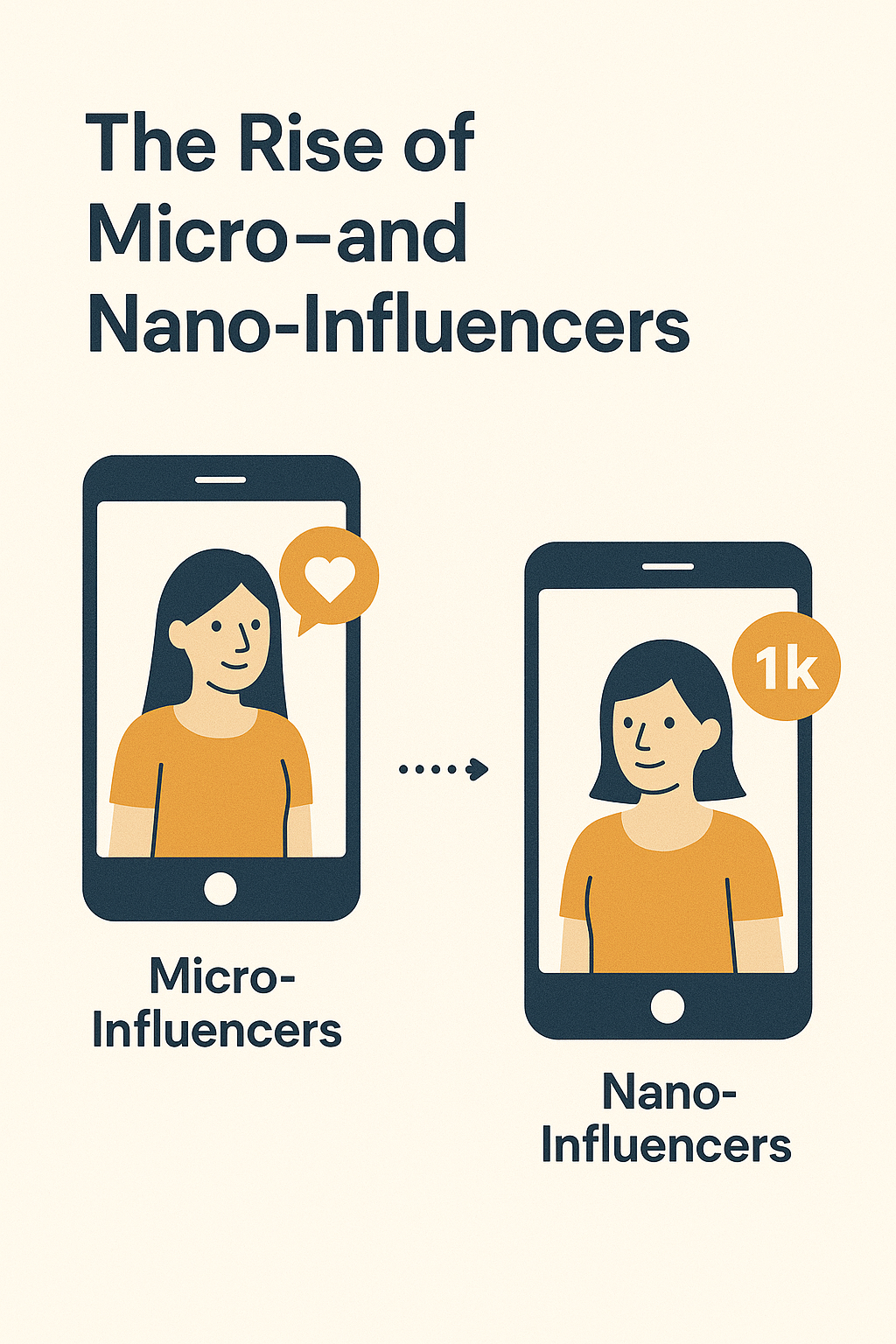
While celebrity influencers still exist, brands are increasingly investing in micro and nano influencers. These creators have smaller but more loyal audiences.
Data shows that nano influencers often achieve engagement rates of 6–8%, compared to under 2% for mega influencers. Brands like Mamaearth and Minimalist have successfully scaled using hundreds of small creators instead of a few big faces.
This shift also makes influencer marketing more accessible for new creators entering the industry.
Influencer Marketplaces and PR Platforms Are Reshaping the Industry
The Future of Influencer marketing in 2025 is far more organized thanks to influencer marketplaces and PR collaboration platforms. These platforms allow brands to shortlist influencers based on niche, engagement, audience demographics, and content quality.
For influencers, these platforms bring transparency, fair pricing, and professional opportunities. Influencer marketing is no longer “DM-based chaos” it’s becoming a legitimate business ecosystem.
Short-Form Video Continues to Dominate
Short-form video remains the most powerful content format. Instagram Reels, TikTok, and YouTube Shorts dominate attention spans.
Studies show that short-form video generates more than twice the engagement of static posts. Brands like Nike and ZARA now prioritize influencer-led video storytelling over polished ad campaigns.
Authentic, slightly imperfect content often performs better than overly produced videos a sign that audiences value realism.
Paid vs Non-Paid Influencer Marketing in 2025
One of the most important shifts in influencer marketing is the clear distinction between paid and non-paid collaborations and how brands strategically use both.
Non-Paid Influencing (PR & Gifting Collaborations)
Non-paid influencer marketing typically involves gifting products or experiences without guaranteed payment or posting obligations. This model is common among startups, indie brands, and new product launches.
Brands like Plum, Dot & Key, and small D2C fashion labels often use PR gifting to build early buzz and gather authentic user-generated content.
For audiences, non-paid content feels more genuine because influencers post only if they truly like the product. For influencers, these collaborations are now viewed as:
- Brand discovery opportunities
- Portfolio-building experiences
- Entry points into paid partnerships
However, influencers in 2025 are far more selective and no longer treat unpaid work as sustainable income.
Paid Influencing (Sponsored Collaborations)
Paid influencer marketing is now highly professional and contract-based. Brands pay creators for their time, creativity, reach, and strategic value.
Paid collaborations include fixed fees, performance bonuses, affiliate commissions, and long-term retainers. Brands like H&M, Amazon, and Netflix rely heavily on paid influencer campaigns for launches and promotions.
Industry reports show that over 70% of influencers now prefer paid collaborations, recognizing content creation as skilled labor rather than a hobby.
Why Smart Brands Use Both
In 2025, the smartest brands don’t choose between paid and non-paid influencer marketing they combine both.
Non-paid collaborations help with discovery and trust-building, while paid campaigns help scale reach and drive conversions. Together, they balance authenticity and performance.
Influencers Are Becoming Entrepreneurs
The Future of Influencer Marketing are no longer just content creators. Many are launching their own brands, digital products, courses, and communities.
Creators like Komal Pandey, Masoom Minawala, and global influencers such as Emma Chamberlain have transitioned into business owners. This evolution has changed how brands collaborate with influencers from promotional deals to strategic partnerships.
The global creator economy is expected to cross $480 billion by 2027, and influencer-led brands are a major contributor to this growth.

SWOT Analysis of Influencer Marketing in 2025
Influencer marketing’s strengths lie in authenticity, trust, targeted reach, and emotional connection. However, challenges like fake followers, content saturation, and inconsistent metrics still exist.
Opportunities continue to expand through AI analytics, niche platforms, and global creator communities. At the same time, algorithm changes and stricter advertising regulations remain potential threats.
How Brands and Influencers Are Benefiting
Influencers benefit through diversified income streams, creative freedom, and long-term career growth. Brands benefit from higher engagement, stronger brand recall, and better ROI compared to traditional advertising.
Influencer marketing allows even small brands to compete with industry giants not through budget, but through trust.
Final Thoughts: The Future Is Human
The future of influencer marketing is not about louder advertising. It’s about better conversations. In 2025, the brands and influencers that win will be those who value honesty, creativity, and community over quick sales.
Influencer marketing works because it feels real and in a world full of noise, real is what people listen to.